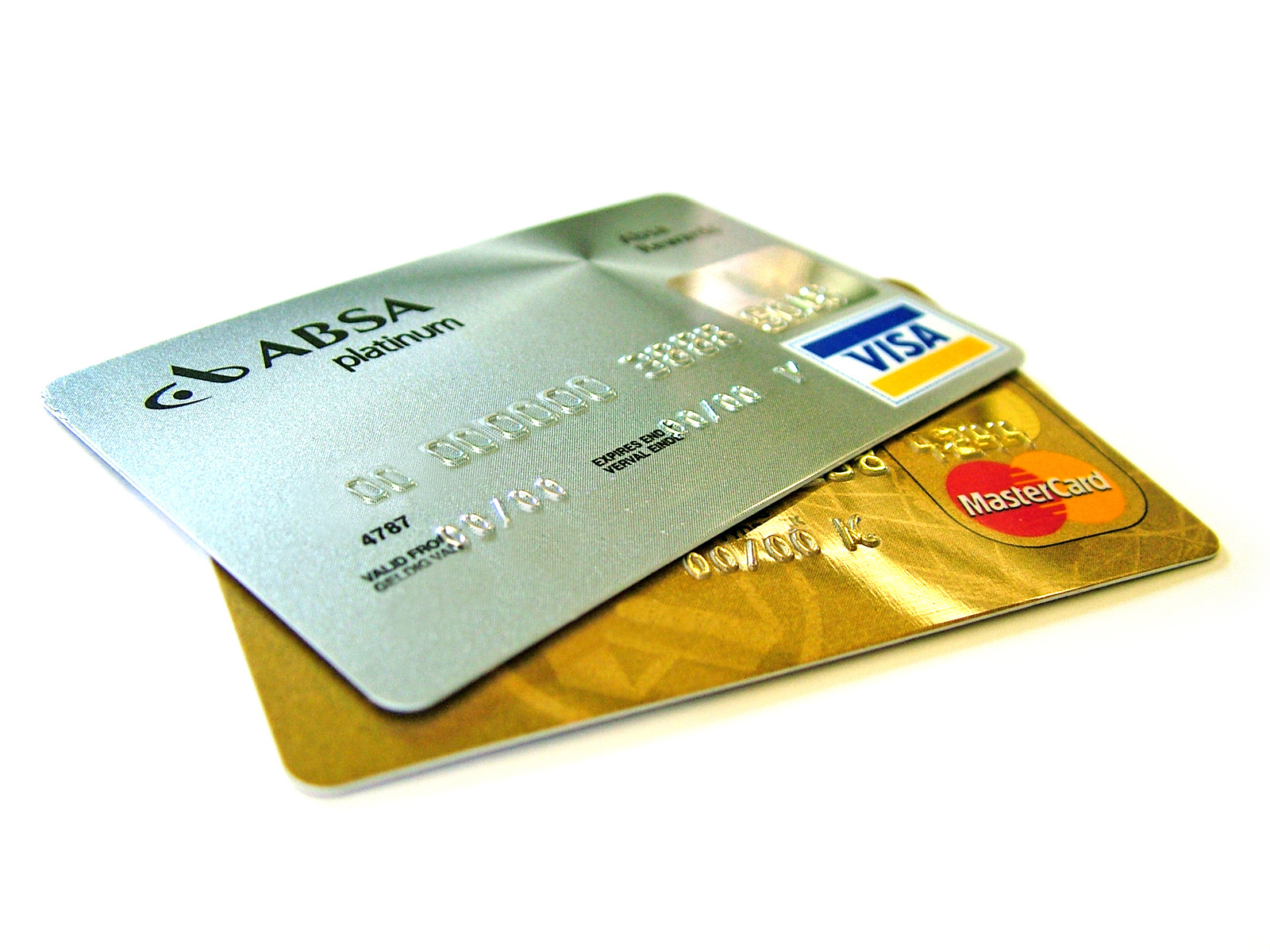
Your credit card bill is ₹10,000. The statement says the minimum amount due is ₹586. Paying ₹586 feels responsible — you are paying something, after all, and the bank itself suggested the number. But at the interest rates Indian cards actually charge, that small payment is the start of a very long and expensive road. This is a research-based explainer built on banks' published terms and the Reserve Bank of India's own rules — and the first thing to know is that the trap is not quite the one most articles describe.
On most Indian credit cards the minimum due is 5% of the outstanding balance (or ₹200, whichever is higher); SBI Card and Axis use 2%, Kotak 1%. The interest rate on unpaid balances is steep: HDFC Bank's published terms list 3.75% a month — 45% a year — for most of its cards, and SBI Card lists the same for unsecured cards. On top of the interest, 18% GST is charged on the interest itself, so the effective monthly cost is about 4.43% of what you owe. One protection the regulator has added: the Reserve Bank now requires the minimum payment to cover the full interest component plus some principal, so the balance cannot grow while you keep paying the minimum. That rule stopped the worst version of the trap — but it did not make the minimum a good idea.
Here is the correction most articles get wrong. Interest is not charged on the full billed amount once you pay the minimum. The RBI's March 2024 amendment to its credit-card rules says interest "shall be levied only on the outstanding amount, adjusted for payments/refunds". The real trap is subtler and worse. The moment you pay less than the full bill, your interest-free period is suspended — and it stays suspended until the entire balance is cleared. From then on, interest runs from the date of each transaction, not from the due date, and every new purchase starts accruing interest immediately, with no free days at all. A card that gave you up to 50 interest-free days becomes a card that charges interest from the day you swipe, until you pay the whole balance off. That is how a ₹10,000 bill keeps costing you money long after you thought you had handled it.
Take a ₹10,000 balance, no new purchases, and HDFC's published rates and minimum-payment formula — 3.75% a month plus 18% GST on the interest, with the minimum set by the bank's formula. In the first month, interest of ₹375 plus GST of ₹68 comes to ₹443, and the minimum payment of ₹586 repays just ₹144 of the principal. Month after month, the same arithmetic repeats: most of every payment goes to interest and tax, and only a sliver touches what you actually borrowed. At that pace it takes about 107 months — nearly nine years — to clear the balance, and the total paid is roughly ₹33,362, of which ₹19,799 is interest and ₹3,564 is GST. You pay 3.3 times what you borrowed. Pay a fixed ₹1,000 a month instead and the same balance clears in about 14 months for roughly ₹13,500. Pay in full by the due date and it costs ₹0 in interest. (These are illustrations worked out from the published rates; the exact figures depend on your bank's minimum-payment formula, so check your card's terms — the shape of the outcome does not change.)
The minimum-payment trap is old enough that regulators on two continents have tried to warn people out of it. In the United States, the CARD Act of 2009 — signed by President Obama on 22 May 2009 — forced every credit-card statement to carry a "Minimum Payment Warning" box, stating how many months a balance would take to repay at minimum-only payments, what it would cost in total, and what monthly payment would clear it in 36 months. India followed with its own version: the RBI requires every Indian billing statement to carry the legend, "Making only the minimum payment every month would result in the repayment stretching over months/years with consequential compounded interest payment on your outstanding balance." The warning exists because the minimum is designed to feel like progress while functioning as a very slow leak. If you have ever wondered why the bank is so helpful about offering you the minimum — now you know.
The minimum due is not a payment plan; it is a permission slip to stay in debt at 45% a year. If you can pay in full, always do — it costs nothing. If you cannot, pay a fixed amount you choose yourself, not the minimum the bank suggests, and stop using the card until the balance is gone, because every new swipe starts charging interest from day one. And if the minimum is all you can afford this month, pay it — then make a plan to clear the rest before the interest does its slow work.
Related on Poptani Labs: The Rule of 72: the one division that tells you when your money doubles, Sovereign Gold Bonds vs gold ETFs: the best gold deal you can't buy right now, Emergency funds: how much is enough, and where to keep it. More in this category: Money, Decoded.
Sources: HDFC Bank, Most Important Terms and Conditions (credit cards), Reserve Bank of India, Master Direction on credit cards (as amended March 2024), Minimum amount due: why it is dangerous (Benchmark Sutra), Credit card minimum amount due, explained, President Obama signs the CARD Act of 2009
Don't just read about it — run the numbers on your own money with the same calculators this post draws on.

