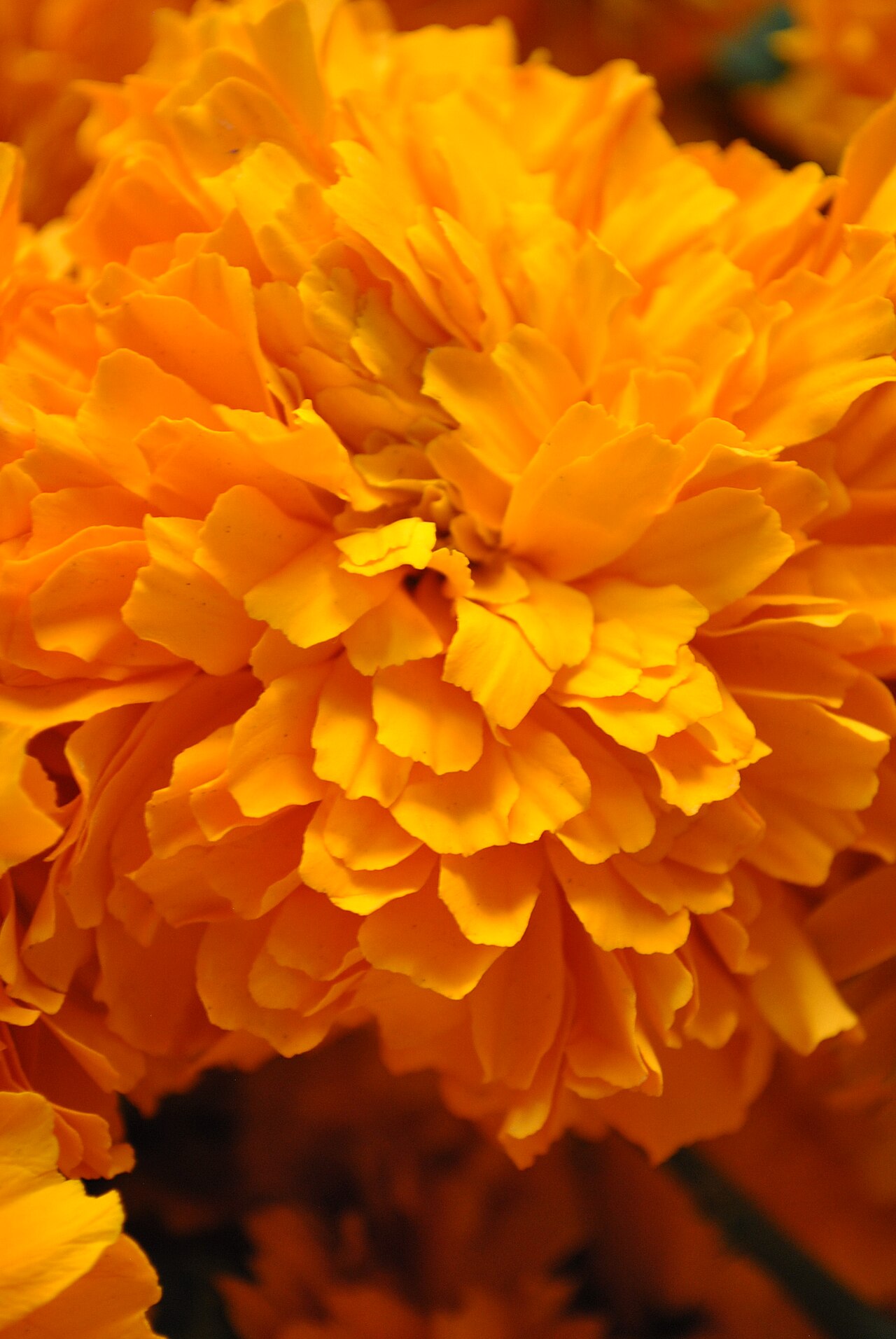
Tonight, across Mexico, families are expecting company. Not the living kind — the dead kind. Día de Muertos, the Day of the Dead, is the night the souls of the departed are believed to come home for a visit, and the living spend days getting ready: altars built, favourite foods cooked, paths of orange petals laid from the street to the door.
First, the correction most people need: this is not Mexican Halloween. Halloween is a night of scares; Día de Muertos is a family reunion with guests who happen to be dead. The mood in a cemetery at midnight is closer to a dinner party than a haunted house. Its roots run back thousands of years to pre-Hispanic rites for the dead, later fused with the Catholic feasts of All Saints' and All Souls' Day — and, as UNESCO notes, its timing marks the end of the annual maize cycle. It is a harvest festival as much as a memorial. In 2008, UNESCO inscribed it as an Intangible Cultural Heritage of Humanity, under the name "Indigenous festivity dedicated to the dead."
The two days have different guests. November 1 is Día de los Angelitos — the little angels, children who have died — so tonight's altars carry toys, sweets and white flowers alongside the marigolds. November 2 belongs to the adults, when families spend the day and often the whole night at the graveside.
The centrepiece is the ofrenda, the home altar — and almost nothing on it is decoration for its own sake. The photograph says who is being welcomed. Candles light the way back. Cempasúchil, the Aztec marigold, is scattered in petals to make a glowing orange path, its colour and scent guiding souls home. Pan de muerto, a soft sweet bread topped with dough shaped like little bones, is baked for the occasion. Sugar skulls often carry the name of the person remembered. Papel picado — tissue paper cut into intricate flags — flutters above it all, and copal incense clears the air. And then the most personal item of all: the food and drink the person actually liked in life. An ofrenda is a portrait made of groceries.
Sources: UNESCO — Indigenous festivity dedicated to the dead, Roavi — When is Day of the Dead 2026
If there is one place that defines the night, it is Janitzio, the island in Lake Pátzcuaro, Michoacán. Boats cross to it all night long, and the hillside cemetery glows with thousands of candles as P'urhépecha families hold the velación, the overnight vigil. Local legend says the island's butterfly-net fishermen fan their great nets to stir a breeze that coaxes the souls up from the lake and up the steep stairs to the cemetery.
This year has a wrinkle worth knowing: after an August landslide damaged part of the cemetery, Janitzio's graveyard is closed to tourists for November 1–2 — local families still hold the vigil as they always have, while visitors watch from a new panoramic walkway and the town's monumental altars. The tradition bends; it does not break.
Elsewhere, Oaxaca's official programme, "La Fiesta Más Viva de Todas," runs October 26 to November 3 with more than 100 events, and Mexico City's giant ofrenda fills the Zócalo from October 29 to November 2. The capital's Gran Desfile marched down Paseo de la Reforma yesterday, October 31, on its way to the Zócalo — which brings us to the best story of the whole holiday.
Sources: Yucatán Magazine — Day of the Dead in Janitzio: no tourists allowed, A Taste for Travel — Janitzio guide, Grupo Camino Real — Day of the Dead in Oaxaca 2026
The opening scene of the 2015 Bond film Spectre follows Daniel Craig through a spectacular Day of the Dead parade in downtown Mexico City — giant skeleton floats, thousands of costumed revellers, the works. There was only one problem: no such parade had ever existed. Mexico City's real Day of the Dead was a private, family affair; a parade through the capital was pure Hollywood invention.
Then tourists started arriving in Mexico City asking what time the big parade was — and where to watch it. Rather than disappoint them, the city government did the only sensible thing: it invented the tradition for real. On October 29, 2016, Mexico City held its first-ever Day of the Dead parade, with more than a thousand participants and floats and costumes partly recycled from the film itself. It has run every year since, and yesterday's edition marked a decade of a tradition that began as a movie set. Life imitated art, and then art had to keep up.
Source: Atlas Obscura — Mexico City's new Day of the Dead parade is based on a James Bond film
Most cultures treat death as a door that closes. Día de Muertos treats it as a door that opens once a year — and sets a place at the table, cooks the person's favourite meal, and waits up. The marigold path is not really about guiding ghosts. It is about refusing to let the distance between the living and the dead become the whole story.

