Walk past a bakery and catch the smell of fresh bread, and for half a second you are not on this street at all — you are ten years old, in your grandmother's kitchen, and the whole scene is there before you can even name what you smelled. A photograph of that kitchen would not do the same thing. Neither would a song. Smell seems to have a key to a part of memory that the other senses cannot reach. This is a research-based piece: everything that follows comes from published studies and the neuroscience of smell, not from any experiment of mine.
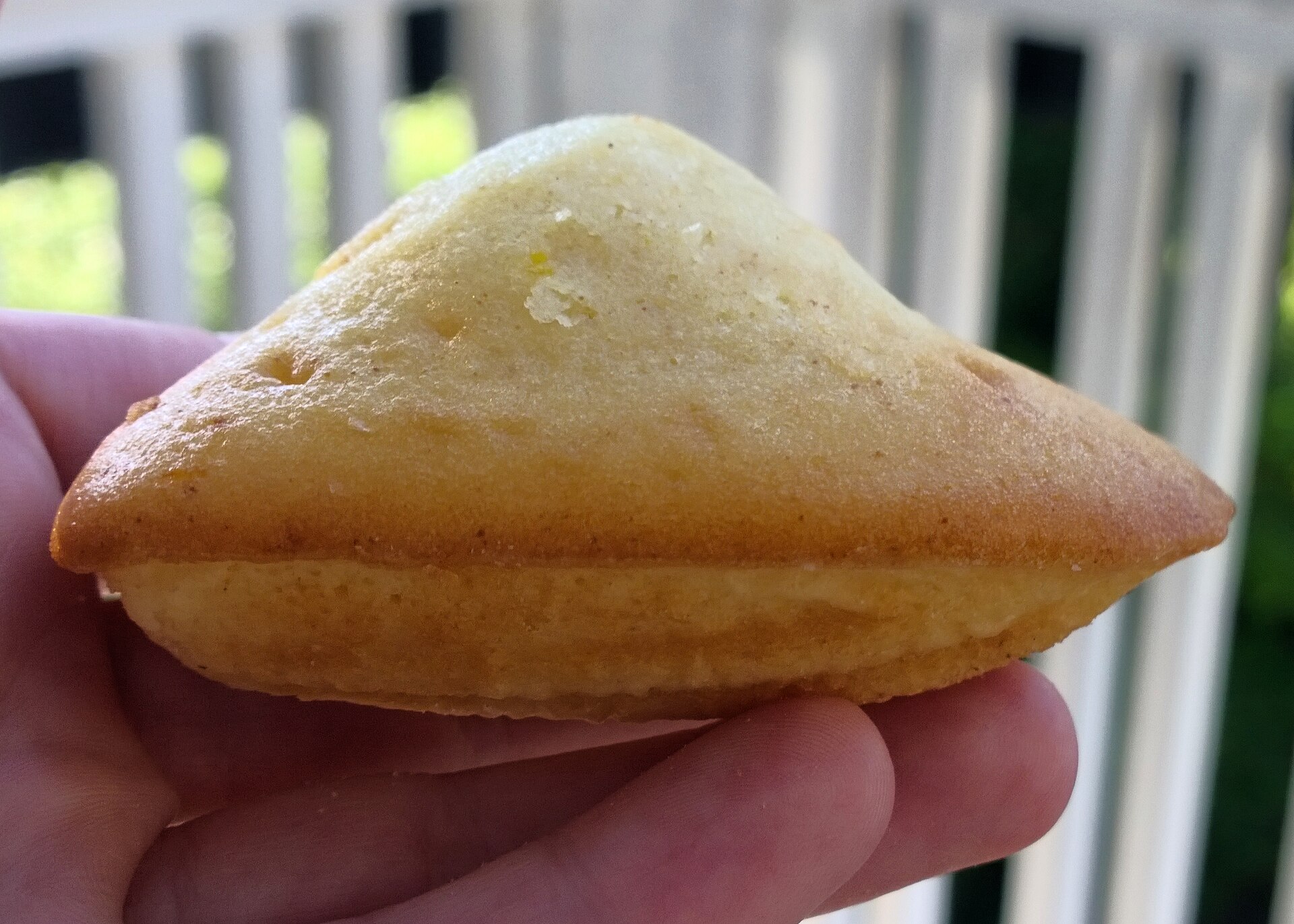
The effect is named after a cake. In the opening volume of Marcel Proust's seven-volume novel In Search of Lost Time, first published in 1913, the adult narrator comes home cold one winter day and his mother offers him tea and a small shell-shaped cake called a madeleine. He dips a piece in the tea and tastes it — and is flooded by a feeling of happiness he cannot place. Then the memory arrives: Sunday mornings as a boy in the village of Combray, visiting his aunt Léonie in her bedroom, where she would give him a piece of madeleine dipped in her own cup of tea. With that taste, the whole town comes back — her house, the streets, the church, the gardens. Proust called this kind of recall involuntary memory: it arrives uninvited, whole, and soaked in feeling, unlike the deliberate kind of remembering that produces facts and dates and not much else. The passage made the madeleine the most famous cake in literature, and psychologists borrowed the name for the phenomenon itself: the Proust effect.
The reason smell works this way is wiring. Every other sense — sight, sound, touch — is routed first through the thalamus, a relay station deep in the brain, before it reaches the regions that handle emotion and memory. Smell skips the relay. Signals from the receptors in your nose travel to the olfactory bulb, and from there almost directly to the amygdala, which tags experiences with emotion, and to the entorhinal cortex, the gateway to the hippocampus, where personal memories are formed and retrieved. Your nose, in other words, has a near-direct line to the two brain regions that decide how you feel about something and whether you remember it. That is why a smell can deliver the feeling of a memory a fraction of a second before your conscious mind has worked out what you are smelling — and before you have had any chance to filter or edit it.
Psychologists took Proust's idea seriously from the 1970s onward, and the findings are strikingly consistent. In a 2006 study at Lund University, Johan Willander and Maria Larsson gave 93 older adults a word, a picture, or an odour as a cue and asked each person to describe any memory it brought back. The word and picture cues mostly returned memories from people's teens and twenties. The smell cues clustered in the first decade of life — early childhood, the period most of us can barely reach on purpose. Brain-imaging work points the same way: in a 2004 fMRI study, Rachel Herz and colleagues found that odour-evoked memories produced greater activity in the amygdala and hippocampal regions than the same memories cued by pictures. Researchers summarise the pattern with the acronym LOVER — smell-evoked memories tend to be Limbic, Old, Vivid, Emotional, and Rare, meaning they are less rehearsed than memories we have told and retold. And they are less rehearsed precisely because they are harder to reach on purpose: you cannot summon a smell the way you can picture a face.
There is a catch, and it matters. A smell-evoked memory feels more real than a photograph-evoked one — the sense of being pulled back in time is stronger — but it is not more accurate. Vividness is not precision. Every memory is reconstructed each time you recall it, and a scent memory is no exception; it can be coloured by everything that has happened since, including the simple fact that you have now told the story. The brain is good at noticing patterns and filling gaps, which is also why the Baader-Meinhof phenomenon makes a word you just learned seem to appear everywhere — noticing is not the same as evidence. And expectation shapes experience in the body too, as the placebo effect shows. So enjoy the time travel, but treat the ticket with a little scepticism: the feeling is real, the details may not be.
The next time a smell stops you in your tracks, let it. You are feeling your brain's oldest shortcut at work — a direct line from your nose to the parts of you that hold emotion and memory, laid down before you had the words for any of it. The past it brings back may not be perfectly accurate, but the fact that it still lives in you, retrievable by a single breath, is remarkable enough. Smell does not just remind you of where you have been. For a moment, it puts you back there.
Related on Poptani Labs: The Baader-Meinhof phenomenon: why you suddenly see it everywhere, The placebo effect: why a sugar pill can heal — and the wartime story that probably never happened. More in this category: The Human Operating System.
Sources: ScienceABC — The Proust Effect: Why Is Smell So Intimately Linked to Memory?, Wikipedia — Madeleine (cake), including the madeleine episode, Frontiers for Young Minds — Why Are We so Scent-Imental? Studying Odor-Linked Memories, Britannica — Marcel Proust

