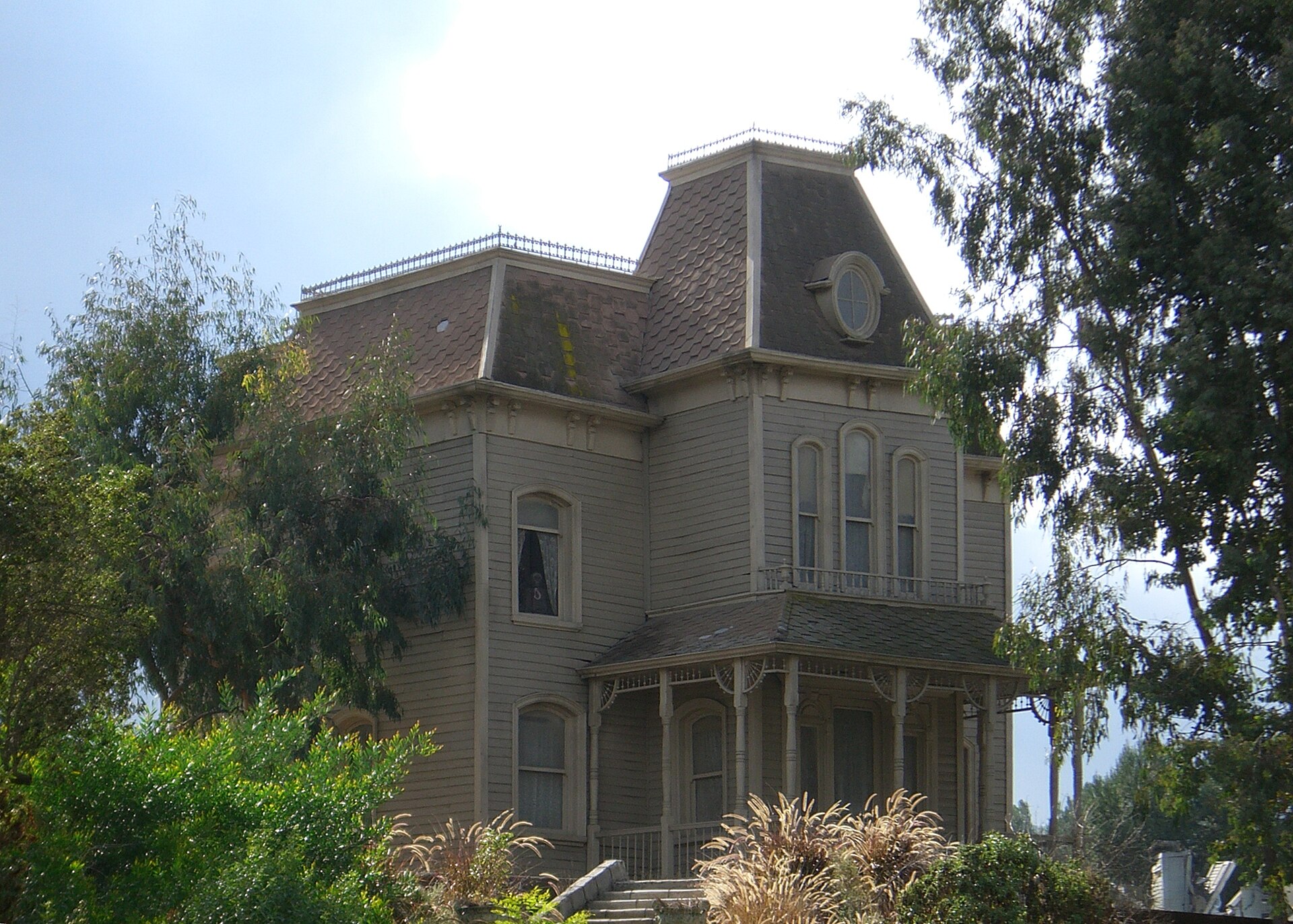
In the summer of 1960, audiences walked into Psycho expecting a thriller about a woman on the run with stolen money — and walked out having watched that woman murdered in a shower before the film was half over. The scene lasts about three minutes. It took a week to film, used chocolate syrup for blood, and made its stabbing sounds with a melon. This is a research-based look at how the most famous murder in film history was put together, drawn from production accounts and the 2017 documentary 78/52 — no hands-on reconstruction, and nobody is restaging a shower murder for this post.
The shower scene was filmed from 17 to 23 December 1959 — seven days of work for roughly 45 seconds of murder, inside a sequence of about three minutes. It was planned shot by shot in advance, from storyboards drawn by designer Saul Bass, and then shot in pieces: a hand here, a drain there, a face there, none of it in the order you see it. How many camera positions that took depends on who is counting. Hitchcock himself said 70 setups; later accounts say 78, and the documentary 78/52 takes its title from 78 setups and 52 cuts. The honest answer is that the number changes with what you count — a setup is a camera position with its lighting, and some positions produced shots that never reached the screen. What nobody disputes is the ratio: a full working week, for less than a minute of killing. The final shot, which pulls slowly back from Marion Crane's lifeless eye, was hard on everyone: water kept splashing into Janet Leigh's eyes and making her want to blink, while the cameraman had to pull focus by hand as the camera moved.
Here is the fun anecdote — the two cheapest props in the scene did the heaviest work. The blood swirling down the shower drain was chocolate syrup, chosen because it photographed better in black and white than stage blood and had a more realistic consistency. Most accounts say it was Hershey's; at least one says Bosco — the syrup is certain, the brand is not. The sound of the knife entering flesh was made by plunging a knife into a casaba melon, picked after the crew tested several melons for the right balance of resistance and squish. And the knife itself never touches Janet Leigh at all: the stabbing is suggested entirely by cutting, framing and sound. Even the shot looking straight up at the shower head was a trick — the shower head's centre holes were blocked and a long lens used, so the water fell around the camera instead of onto it. One more detail from after the shoot: when filming wrapped, Leigh was no longer available, so Hitchcock had Vera Miles put on a blonde wig and scream as he pulled the shower curtain back, for the preview trailer.
Hitchcock originally wanted the murder to play with no music at all — just the sound of running water. Composer Bernard Herrmann disagreed and persuaded him to use the shrieking strings instead, and the cue became the most imitated piece of film music in horror. The decision to shoot the whole film in black and white helped too: one of Hitchcock's stated reasons was to keep the shower scene from being too gory. In colour, chocolate syrup is obviously chocolate syrup. In black and white, it reads as blood, and the audience's imagination does the rest.
Watch the scene today and notice how little you actually see. There is no shot of a blade entering a body. There is a flurry of cuts — a hand, a knife, a face, a drain, an eye — and your brain stitches them into a murder far more graphic than anything on screen. That is the scene's real invention: it proved that a film could be terrifying without showing the violence, by editing fast enough that the audience supplies it. Censors of the time were so unsure what they had seen that they demanded cuts to shots of blood in the drain, of Norman washing his hands, and of repeated stabbings — cuts to things the film barely shows. Sixty-five years later, the scene is still taught in film schools, still parodied, and still the reference point every shower scene since has had to live up to. All of it built from syrup, a melon, and a week of patience.
The shower scene endures because it is a magic trick, not a gore effect. Seven days, dozens of camera positions, chocolate syrup and a melon — and the horror happens in the viewer's head, not on the screen. Hitchcock's lesson has outlived the film itself: what you don't show is scarier than what you do, and the cheapest prop in the room can do the heaviest work if the cutting is right.
Related on Poptani Labs: The shark that wouldn't work: how Jaws' broken robot made the scariest movie ever, Jurassic Park: how the T. rex scene almost fell apart in the rain, Bullet time: how The Matrix froze time with 120 cameras. More in this category: Screen Time.
Sources: Psycho shower scene (Wikipedia), The Most Famous Shower Ever Taken, Psycho's shower blood was chocolate syrup, and the scene took 7 days for 45 seconds (3DVF)

