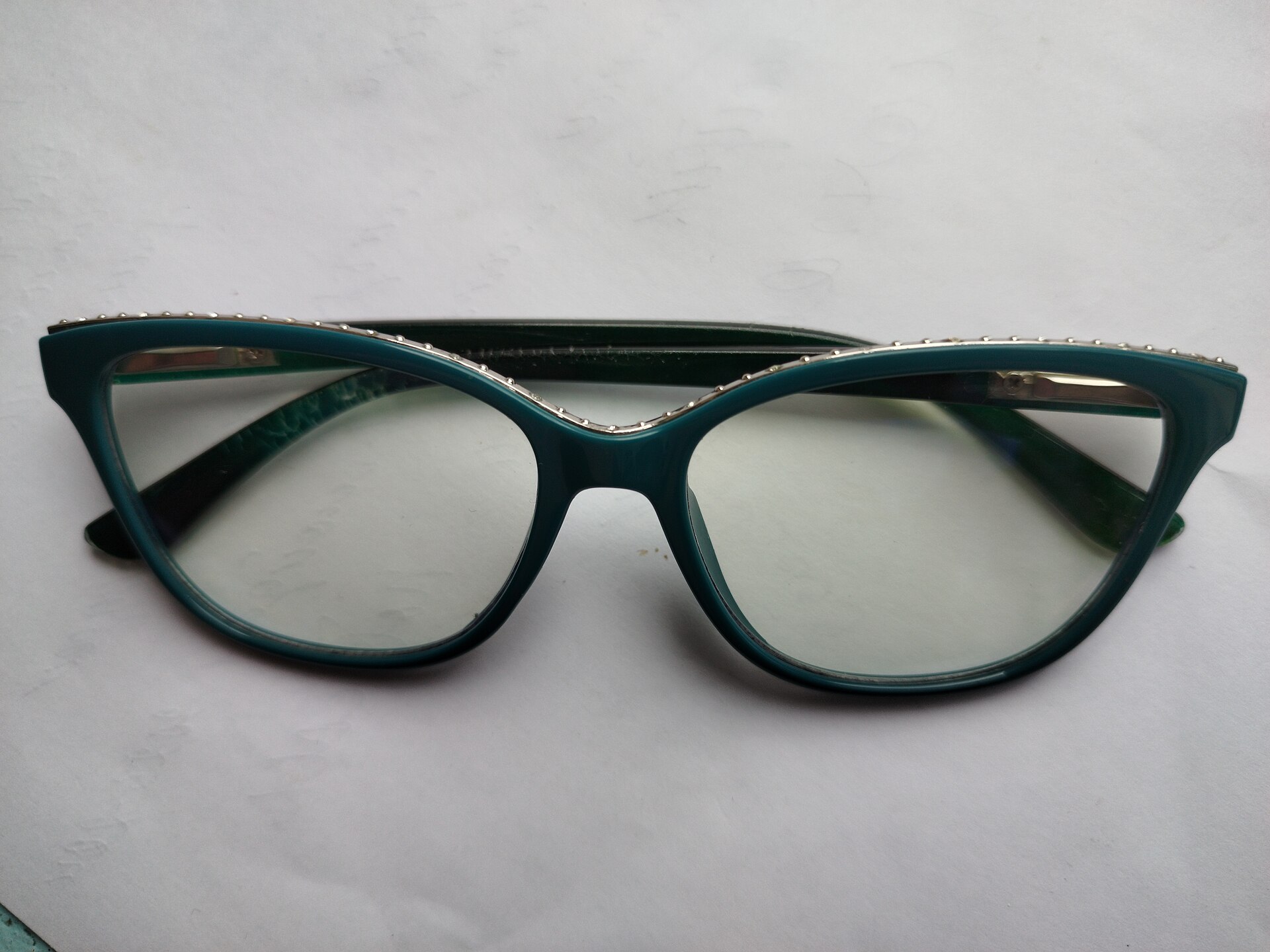
They are sold everywhere glasses are sold, usually for the price of a decent dinner, with a confident promise: filter out the blue light from your screens, and your tired eyes and restless nights will improve. It is a tidy story, and it has one problem. The largest, most rigorous review of the trials ever done on these lenses found that they probably make no difference at all. This post is a research-based verdict — I did not test any glasses hands-on, and the evidence below is the reason you do not need me to.
The strongest evidence available is a 2023 Cochrane systematic review — the kind of study that pools every relevant trial and grades the quality of each one. It combined 17 randomised controlled trials from six countries, covering 619 people, and compared blue-light filtering lenses against ordinary, non-filtering lenses. For short-term eye strain from computer use, the review concluded that the filtering lenses probably make little or no difference, rating that evidence as low certainty. Only three of the 17 trials specifically measured visual fatigue, and all three reported no significant difference between the two groups. On visual sharpness, the result was even cleaner: a mean difference of exactly zero, graded moderate certainty. On the claim that the lenses protect the macula — the small central part of the retina behind your detailed vision — there was simply no evidence either way, because no included trial had ever measured it.
Sleep is where the story gets stranger. Six trials in the review measured sleep, and they split evenly: three reported an improvement with the filtering lenses, three found no difference. No trial ran longer than five weeks. And here is the detail that should end the argument about mechanism: no included trial ever measured melatonin. The lenses are sold on the idea that evening blue light suppresses melatonin and delays sleep — yet the trials never tested the lenses against the very hormone they are supposed to protect. A newer meta-analysis, published in 2025, tried to settle the sleep question with the strictest evidence available: three double-blind crossover trials, 49 participants in total, measured with wrist actigraphy — objective sleep tracking, not self-reported diaries. It found no statistically significant effect of the glasses on any objective sleep measure: not how fast people fell asleep, not total sleep time, not sleep efficiency.
The most memorable number in the Cochrane review is not a benefit but a warning about reading headlines. For eye strain, the pooled estimate actually pointed in the wrong direction: on average, the people wearing blue-light filtering lenses scored about 10 units worse on the eye-strain scale than the people wearing plain lenses — though the confidence interval was enormous, stretching from a large benefit to a large harm, which is why the review's verdict is "probably no difference" rather than "harmful". Still, it is a striking place to land after years of confident marketing: the best estimate available does not merely fail to show the lenses helping, it leans the other way. The review's lead author was blunt about the implication, saying the results did not support prescribing blue-light filtering lenses to the general population. The American Academy of Ophthalmology agrees — it does not recommend the glasses, and it points out that screen-related eye strain comes from how we use screens, not from the light itself: we blink less and stare for hours.
If the lenses are not the answer, the boring answer is the one the eye doctors keep giving: change how you use the screen. Blinking less while staring is what dries the eyes out; looking away and blinking properly is what relieves it. Take regular breaks from close-up screen work, keep the screen at arm's length, match its brightness to the room, and get your prescription checked — an out-of-date prescription will tire your eyes far faster than any colour of light. None of that costs the price of a pair of filtering lenses, which is the point: the things that genuinely help are behaviours, not coatings. If you already own a pair and like wearing them, there is no evidence they do harm. But if you are buying them to fix tired eyes or bad sleep, the trials say your money is better spent on a break.
Blue-light glasses are a solution in search of a problem the trials cannot find. Seventeen randomised trials, 619 people, and the most careful synthesis available: probably no difference to eye strain, no measured effect on vision, no evidence for the retina, and sleep results that split down the middle — with the mechanism itself never once measured. Skip the lenses. Blink, look away, and take the break instead.
Related on Poptani Labs: Air fryers: the small oven with a big marketing budget, Juicero: the $400 juicer that your bare hands beat. More in this category: Beyond the Hype.
Sources: Cochrane Database of Systematic Reviews, Singh et al. (2023), 'Blue-light filtering spectacle lenses', The Wellness Voyage, 'Do Blue Light Glasses Work? The Cochrane Evidence', TrenderHQ, 'Do blue light glasses work? What the research trials found'

