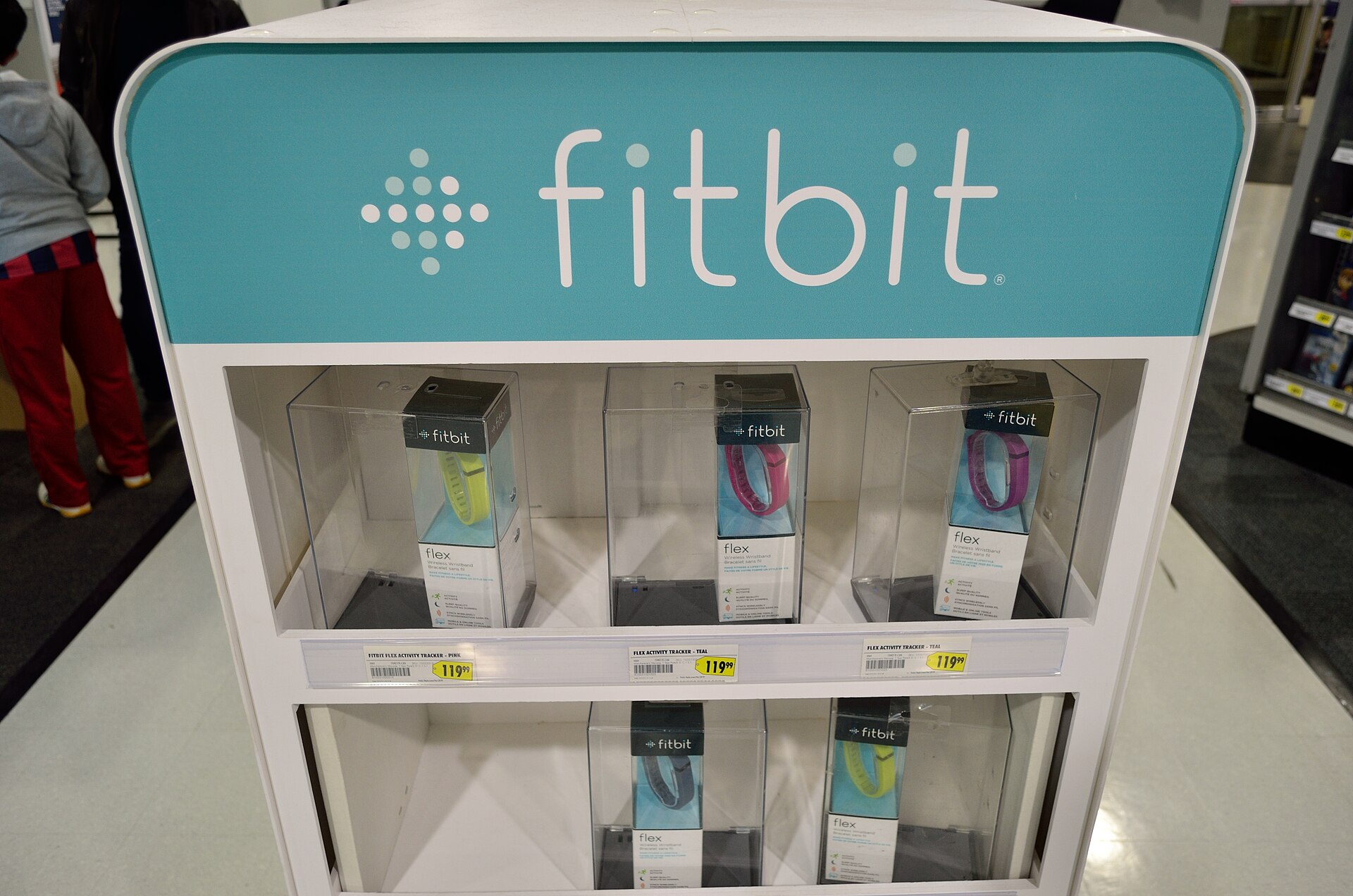
For millions of people, the morning now starts with a grade: open the app, check the sleep score, find out whether last night was a 92 or a 61. The trackers promise to measure your sleep in detail — how long you slept, how much of it was deep, how much was REM. The promise is seductive, and the hardware is everywhere. But a sleep tracker does not measure sleep the way a sleep lab does, and in 2017 a group of sleep doctors gave a name to what happens when the score becomes the problem. This is a research-based review — no hands-on testing of any tracker, and the claims below come from the published studies, not from a night spent wearing one.
A consumer tracker has two main sensors: an accelerometer, which records how much you move, and a heart-rate sensor. An algorithm turns those two signals into a guess about your sleep stages. That is the whole method — no brain waves, no eye movements, no muscle tone, which are what a sleep lab actually measures. The guesses are rough. Studies show consumer trackers are poor at telling sleep stages apart and poor at detecting the time you spend awake after falling asleep — the exact thing an insomniac lies awake worrying about. The American Academy of Sleep Medicine says consumer sleep technology lacks validation and regulatory clearance, so it cannot be used to diagnose or treat sleep disorders. The lead author of the 2017 paper put it plainly: the claims of these devices outweigh the validation of what they have been shown to do. A tracker can tell you approximately how long you slept. It cannot tell you how well you slept, no matter how confident the score looks.
Here is the fun anecdote — the case that gave the problem its name. In 2017, researchers at Rush University and Northwestern University published a case series in the Journal of Clinical Sleep Medicine titled "Orthosomnia: Are Some Patients Taking the Quantified Self Too Far?" One patient, a 39-year-old man the paper calls Mr. R, had received a sleep tracker as a gift from his girlfriend. He had sometimes slept badly since starting a new job, and from the tracker's data he concluded that his daytime tiredness and irritability happened only on nights when he failed to get eight hours. So every night he went to bed under pressure to produce eight hours for the tracker — a self-induced anxiety that is about the worst possible preparation for sleep. Other patients in the series did the same thing in a different way: they spent extra time in bed trying to raise their sleep totals, which is the opposite of what sleep therapists recommend. The researchers named the pattern orthosomnia — "correct sleep" — after orthorexia, the unhealthy preoccupation with healthy eating. The tool meant to improve sleep had become the reason for losing it.
Before throwing the tracker away, the honest caveat: the evidence that trackers harm sleep is thin. Orthosomnia is a descriptive label from a small case series, not a formal diagnosis — it appears in no diagnostic manual and has no clinical threshold. Only a handful of studies exist. In the one controlled trial published so far, 26 insomnia patients were split in two for four weeks: one group got a tracker, the other a paper sleep diary. Both groups improved; the diary group improved slightly more, and only the diary group increased its time asleep. A 2026 survey of 1,002 Norwegian adults found people reporting more good than harm from sleep apps on balance. So the fair statement is narrower than the scary one: trackers do not cause insomnia, and most users are not harmed. But for a minority — people already anxious about sleep — the nightly score can feed the very problem it claims to measure, and the data they are anxious about is not even accurate.
If you wear a tracker, treat it as a rough trend over weeks, not a nightly grade. Look at whether your sleep is generally getting longer or shorter across a month, and ignore any single night's number. Judge your sleep by how you feel during the day, not by what the app says — if you feel rested and the app says 61, the app is wrong. Do not add time in bed to chase a total. And if opening the app first thing in the morning sets your mood, or if bedtime brings anxiety about the score you will get, take a break from the data for a few weeks and see how you feel without it. The tracker is a guest in your bedroom. It should not be the one deciding whether you slept well.
Sleep trackers are useful for one thing: roughly tracking how long you sleep, over weeks. They are bad at the thing they sell hardest — grading the quality of a single night. For most people that does not matter. For the anxious minority, the score becomes a nightly exam they cannot pass, and the anxiety about the number is what keeps them awake. The verdict is not to throw the tracker away. It is to stop letting a guess, dressed up as a score, outvote how you actually feel.
Related on Poptani Labs: Standing desks: what the research actually says (and what it doesn't), Do brain-training apps work? What the evidence actually says, Blue-light glasses: what the trials actually say (and what helps instead). More in this category: Beyond the Hype.
Sources: Sleep trackers can prompt sleep problems (Medical Xpress, 2017), Orthosomnia explained: Can wearables really make sleep worse? (Ultrahuman), Orthosomnia: When Sleep Tracking Makes Sleep Worse (The Sleep Consultant)

